
Your organization adopted AI.
Nobody mapped the accountability.
That gap is invisible right up until someone asks you to explain a decision you can't fully account for.
We help executive teams close that gap before the question arrives.
Advisory grounded in law, governance, and how organizations actually work.
Corporate Attorney
Certified AI Governance Professional (AIGP)
Certified Responsible AI Leader
Certified AI Solutions Architect
Certified Executive Culture Coach
MOST ORGANIZATIONS DON'T SKIP GOVERNANCE ON PURPOSE
The vendor promised oversight was built in. The deployment went smoothly. A human reviewed the recommendation. The documentation looked fine.
Then the audit came. Or the complaint. Or the board question.
And suddenly your team is reconstructing, not just what decision was made, but who owned it, what the AI actually influenced, whether the vendor's controls worked, and what evidence existed at the time.
That's the accountability gap. And it doesn't stop at the boardroom.
When AI enters an organization without clear governance, two things break: the decisions leadership is responsible for, and the trust that holds the workforce together. People feel when a process has lost its center, even when they can't name it yet.
Equity Principle Consulting works on both.
WHAT WE DO
AI ACCOUNTABILITY ADVISORY
For risk, compliance, legal, and governance leaders responsible for decisions AI now influences.
AI is already shaping high-stakes decisions across your organization. The problem is that most teams have not clearly mapped where those decisions happen, who owns the outcome, what evidence must be preserved, or whether vendor governance claims can withstand scrutiny.
We help executive teams identify the AI-influenced decisions that carry the greatest exposure, clarify decision ownership, evaluate vendor governance claims, and design oversight structures that make adoption defensible.
This is advisory work for leaders who need more than assurance that the tool works. They need to know the decision can be explained, owned, and defended.
WORKPLACE TRUST ADVISORY
For people leaders navigating the trust, culture, and accountability consequences of AI adoption.
AI does more than change workflows. It changes how people experience fairness, transparency, judgment, and trust at work.
When AI enters hiring, performance management, workload allocation, employee support, or other people-centered decisions, the workforce notices. They may not use governance language, but they know when decisions feel opaque, inconsistent, or hard to challenge.
We help organizations identify where AI adoption is creating cultural friction, trust gaps, unclear accountability, or hidden judgment loss. Then we help leadership teams design the practices, language, and oversight needed to preserve trust while the organization evolves.
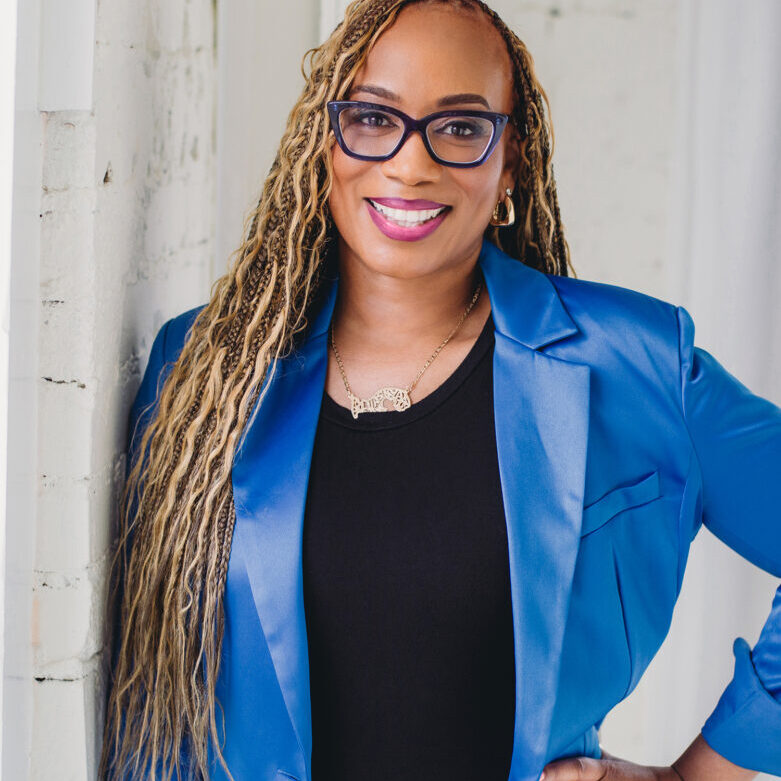
When AI enters an organization without accountability architecture, two things break: the decisions leadership owns, and the trust that holds the workforce together.
Analysis
How accountability breaks inside AI-influenced decisions, and what leaders can do before someone asks. Recent pieces:



Subscribe to our newsletter
AI Accountability Brief
Your monthly field note on AI-influenced decisions, human judgment, accountability, and workplace trust.
Written for leaders responsible for the decisions, systems, and culture people are expected to trust.
Practical. Clear. Direct.